
Geraldton is an important port on the Mid West coast of Western Australia and trade growth has seen the port move from a five million tonne per annum port five years ago to reach 10 million tonnes.
The main cargoes are iron ores, grains, fuels, metals. mineral sands, talc, garnet and fertilisers.

The construction of the St Francis Xavier Catholic Cathedral started in 1916 but was not completed until 1938. The cathedral was designed by Monsignor John Hawes who was both an architect and a priest.


The memorial for the World War 2 cruiser HMAS 'Sydney' is located on top of nearby Mount Scott. The memorial recognises the loss of the light cruiser during a mutually destructive battle with the German auxilliary cruiser 'Kormoran' off Shark Bay in November, 1941 with none of the 645 aboard HMAS 'Sydney' surviving. In May, 2009 the memorial was recognised by the Australian government as being of national significance.

The memorial is made up of four major elements: a stele based on the ship's prow, a granite wall listing the ship's company, a bronze statue of a woman looking out to sea and waiting in vain for 'Sydney' to return, and a dome made up of 465 stainless steel seagulls). It was dedicated on 18 November, 2001 the day before the 60th anniversary of the battle.

Scenic beaches, such as St Georges beach surround Geraldton, and the town foreshore has recently been redeveloped to host a modern playground complete with water activities, a basketball court and shaded play areas for different age groups. St Georges beach:

Surfing is a popular activity in and around Geraldton and it is also an internationally renowned windsurfing location. There are several wreck diving sites off the coast, including the South Tomi, which was sunk in 2004.


The Geraldton Art Gallery:


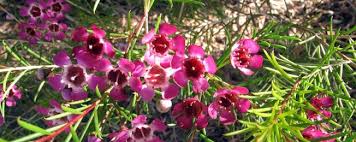
and last, but not least, the flowers of the beautiful Geraldton wax which grows throughout the southern parts of Western Australia. It can also be seen growing in parks, on roadside verges and in private gardens. It is used widely by florists and is a particularly good cut flower.


The historical town of GREENOUGH is located just 24 kilometres south of Geraldton on the Brand Highway. The historic buildings are controlled by the National Trust of Australia. With the decline of wheat production in the area due mainly to the increased scale of grain production in other parts of the state, the farmers that remained in Greenough began producing chaff for feed. By the 1930s all the mills had closed as they became obsolete and could no longer compete with other rural towns that had improved transportation, such as railways and highways. The town eventually fell into ruins and was little more than a ghost town. Today the main attraction is the historical village of Greenough Hamlet comprising a collection of stone buildings restored by the National Trust W.A.
The Central Greenough school was built in 1865 as an option for pupils who had difficulty attending the existing school across the river. At the time there was no bridge across the Greenough River making it difficult for students to cross when the river was flowing.

Police Station and Courthouse: Police were first stationed at Greenough is 1863 and within two years the first Resident Magistrate was appointed. Previously the district was served by the Champion Bay magistrate but due to hostility between the settlers and aboriginals and the increase of ticket-of-leave convicts working in the area there was a need for a resident magistrate.

The stables for the police horses and two toilets were located at the rear of the Court House:

The Greenough Road Board office building was built in 1906 and was used for board meetings and was the centre of local administration for the entire Greenough district.

Goodwin's cottage was built by the Catholic church for a retired policeman and his wife. In 1912, following the policeman's death, the cottage became a church and then a school.

The foundation stone of St Peter's church was laid in 1908 and built as a replacement for an earlier church, which had been damaged in the 1888 flood. Some of the stones of the original church were used in the construction of the new church:

St Peter's bell which is located near St Peter's church was cast at Murphy's Foundry in Dublin in 1879. The bell had been in the original church which was badly damaged by flood waters, before it was placed outside the new church.

Another popular feature with tourists are the trees that are bent 90 degrees due to the constant prevailing coastal winds:


